
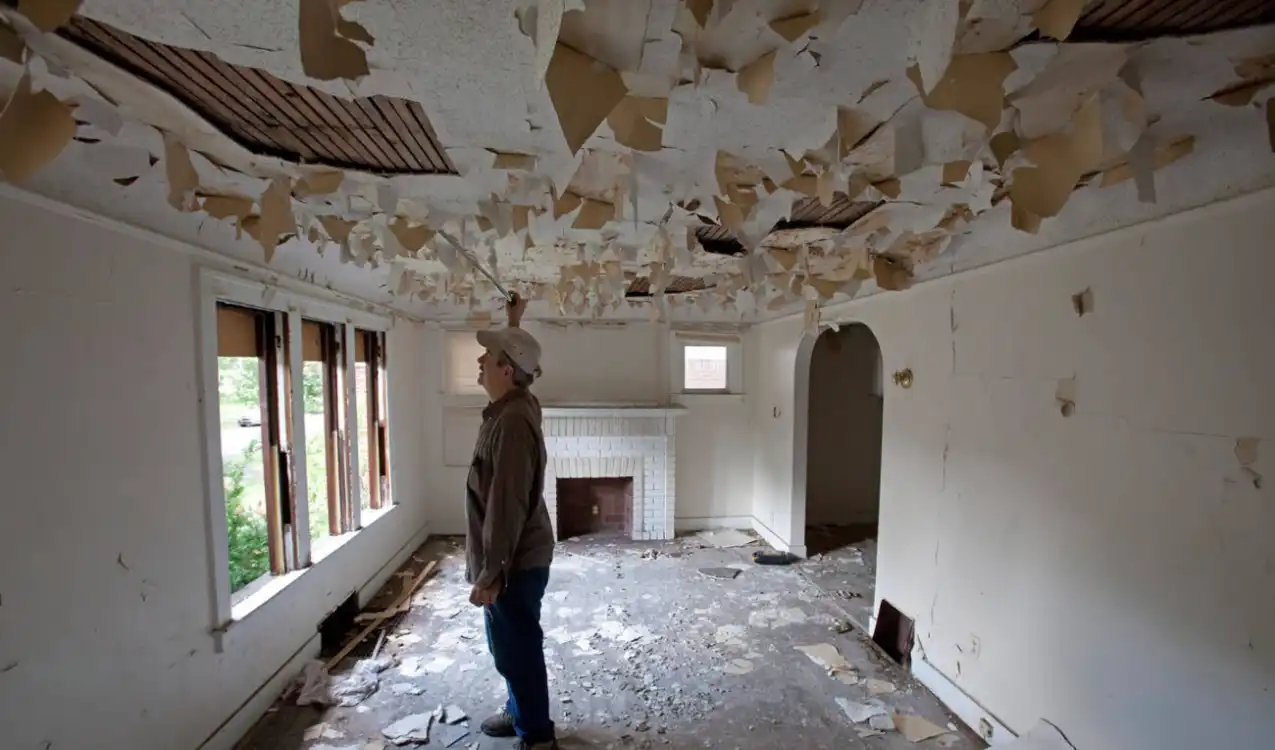
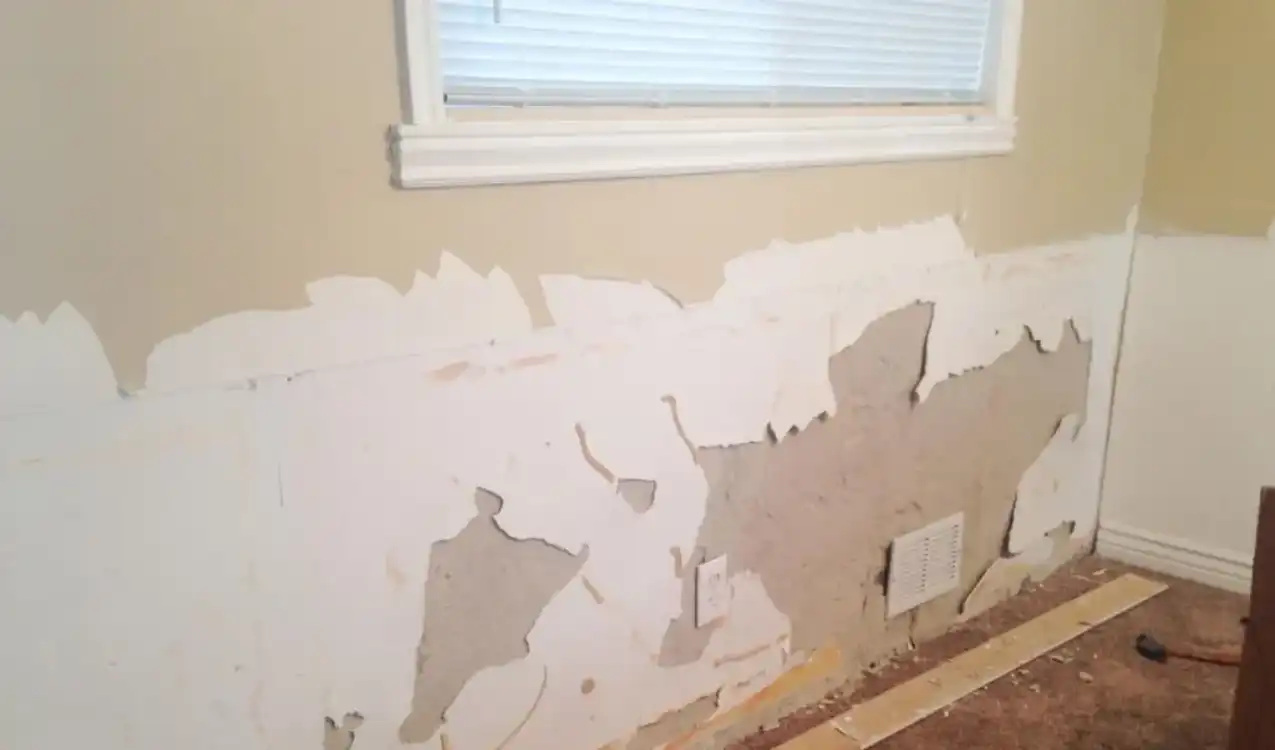
What if the property is damaged or stripped out after winning at auction?
property after completion to find it in far worse condition than expected — stripped of its fittings, vandalised, or cleared out in ways that were never disclosed. It happens more often than many buyers realise, and in the majority of cases, there is very little legal recourse once contracts have been exchanged.
This guide explains what “property damaged at auction” situations actually look like in practice, what the auction contract typically says about condition, what your rights are, and — most importantly — how to protect yourself before you bid.
Sold as seen — what this actually means for auction buyers
Every property sold at auction is sold in its physical condition at the time of the auction — full stop. The auction contract does not give you any right to expect the property to be in a particular state, and the seller is under no obligation to carry out repairs, reinstate fittings, or guarantee that the property will remain in the same condition between auction day and the completion date.
This principle is not unique to auctions — it applies in most property transactions. But in an auction context, it takes on greater significance because there is no negotiation period, no survey condition, and no opportunity to withdraw once the hammer has fallen. The contract is legally binding immediately, and you accept the property in whatever condition it is in.
For buyers bidding on repossession properties, probate sales, vacant homes, or properties that have been empty for an extended period, the gap between what was seen on viewing day and what is found on completion day can be substantial.
What types of damage and stripping are common in auction properties?
The scenarios that catch auction buyers off guard tend to fall into a few recognisable categories. In properties that have been repossessed, abandoned, or left vacant for long periods, buyers have reported finding:
- Kitchens and bathrooms removed: Units, sinks, baths, and sanitaryware stripped out, sometimes leaving exposed pipework and structural damage.
- Boilers and heating systems taken: Central heating boilers, radiators, and associated pipework removed, often by the previous occupant or by thieves in an unsecured property.
- Copper pipework and wiring stripped: Metal theft is a persistent issue in vacant properties. Copper pipes and electrical wiring are particularly vulnerable.
- Vandalism and deliberate damage: Windows smashed, doors broken, internal walls damaged, or graffiti throughout.
- Rubbish, furniture, and personal belongings left behind: Previous occupants may leave behind significant volumes of waste that must be cleared at the buyer’s expense.
- Hazardous materials: In some cases, asbestos, chemical waste, or other hazardous materials require specialist and costly disposal.
In most of these situations, the damage either occurred before the auction or developed between auction day and completion in a property the seller was no longer actively managing. Either way, the buyer inherits both the problem and the cost.
What does the auction contract say about property condition?
Most auction contracts include clauses that place the entire condition risk on the buyer. The precise wording varies between auction houses, but the effect is broadly the same. Common contractual provisions include:
- The buyer accepts the property in the physical condition it is in at the time of the auction, with no warranty or guarantee as to its state of repair.
- The seller gives no representations about the fixtures, fittings, or contents of the property.
- Any items visible at the time of viewing are not necessarily included in the sale unless specifically listed.
- The buyer takes on all risk in relation to the property from exchange of contracts on auction day.
These clauses are typically contained within the special conditions of sale — the legally binding additional terms that sit alongside the standard auction conditions. They are easy to miss when reviewing a pack quickly, but they have serious consequences if you are not aware of them before you bid.
Our guide on special conditions of sale in auction legal packs explains the types of clauses that regularly catch buyers out and how a solicitor’s review can identify them before you commit.
Concerned about the condition of an auction lot?
We identify condition-related clauses in the special conditions so you know exactly what risk you are accepting before you bid. Review the legal pack first
Do you have any legal rights if the property is damaged or stripped after exchange?
Once contracts have been exchanged at auction, the seller’s legal obligations in relation to the condition of the property are very limited. In most cases, if you discover after exchange that the property has been damaged or stripped, you will have no remedy unless you can demonstrate that the seller deliberately misled you — for example, by actively concealing known damage during the viewing or making false representations in the legal pack.
Deliberate misrepresentation is possible in theory, but difficult and expensive to prove in practice. It requires clear evidence that the seller knew about specific issues and took active steps to hide them, rather than simply failing to disclose information they were not asked about.
What about damage that occurs between exchange and completion?
This is a grey area that depends on the specific terms of the contract. In some auction contracts, the risk in the property passes to the buyer on exchange, meaning that any damage occurring between auction day and the completion date is the buyer’s problem. In others, particularly those that follow the Standard Conditions of Sale, the seller retains some responsibility during that period.
The key is to read the contract terms carefully before bidding — not after. This is one of the reasons why instructing a solicitor to review the auction legal pack before the auction is so important. Understanding exactly what the contract says about risk and condition can fundamentally change your assessment of whether a lot is worth bidding on.
You can read more about what happens immediately after the hammer falls, including the obligations that arise at that point, in our guide on what happens when you win a property at auction.
Will the property be cleared before completion?
Not necessarily. Unless the auction legal pack or special conditions specifically promise that the property will be cleared and left with vacant possession prior to completion, the seller is under no general obligation to remove items, clear rubbish, or dispose of belongings left behind by previous occupants.
If you are buying a property that has been left in a cluttered or waste-filled state, you should factor in the cost of clearance when setting your maximum bid. Depending on the volume and type of material involved, this can range from a few hundred pounds for a skip hire to several thousand pounds if specialist disposal is required — for example, where asbestos-containing materials are present.
Always read the special conditions carefully for any reference to the state in which the property will be handed over, and raise the question with the auctioneer or seller’s solicitor before auction day if the position is unclear.
How to protect yourself before bidding on a property in poor condition
The most effective protection against auction property condition risk is preparation. There is no substitute for doing the groundwork before auction day, because once the hammer falls, your options are extremely limited. Here is what we recommend:
- View the property in person. Always inspect the property yourself before bidding if at all possible. Look beyond surface presentation and check for signs of stripping, structural issues, or neglect. If access to certain areas is restricted, treat this as a warning sign.
- Commission a survey. For properties where condition is a concern, a pre-auction survey can give you a much clearer picture of the true state of the building and inform your maximum bid. The cost is modest compared to the potential repair bills you could face.
- Read the legal pack in full. Look specifically for any disclaimers about condition, references to the property being sold “as seen”, restrictions on the seller’s liability, and the terms on which vacant possession is being offered.
- Get a solicitor’s review. An experienced auction solicitor will identify the clauses that expose you to condition risk and advise you on what they mean in practical terms before you commit.
- Budget for the worst case. Even with thorough preparation, auction properties carry inherent condition risk. Always build a realistic contingency into your budget for repairs, clearance, and reinstatement costs.
For a comprehensive overview of everything you should do in the period leading up to auction day, our guide on what to do before you bid at auction covers the key steps in full.
Summary: property condition risk at auction
Auction properties are sold as seen, with no warranty on condition and very limited seller obligations once the hammer has fallen. Damage, stripping, and clearance issues are genuine risks — not hypothetical ones — and they disproportionately affect buyers who bid without fully reviewing the legal pack or inspecting the property in advance.
If you discover that a property you have won at auction is damaged or stripped, your options are narrow. Legal remedies exist only in narrow and difficult-to-prove circumstances. The far better approach is to understand the risk before you bid, price it in, and — where necessary — walk away from a lot that presents more exposure than the price justifies.
At AuctionSolicitor, we review auction legal packs and flag the clauses that matter, including those that affect condition risk and the terms of vacant possession. If you have a legal pack you would like reviewed before bidding, our specialist team is here to help you bid with a clear picture of what you are taking on.
For guidance on your rights when buying property in England and Wales, the HM Land Registry and the Citizens Advice guide to buying a home are useful starting points for understanding your legal position as a buyer.
Know what you're buying before the hammer falls
Auction properties are sold as seen — and the contract may give you no recourse if you discover damage or stripped fittings after exchange. We review the legal pack and flag every clause that affects your position on condition and vacant possession.
