


ID Checks Explained: Why Solicitors Must Verify Your Identity
When you successfully bid on a lot, passing auction property ID checks is your very first legal hurdle. It is a mandatory requirement that every buyer must complete before formal legal work can commence.
Buying property under the hammer is an incredibly fast-paced environment. Unlike traditional property purchases, you do not have months to organise your paperwork and find your footing.
Once the gavel falls, you are legally bound to complete the transaction, usually within a strict 28-day window. Delays in verifying who you are can jeopardise your entire investment.
Our comprehensive guide explains exactly why solicitors demand these checks, what documents you need, and how to prepare. We want to ensure your property purchase proceeds smoothly and without unnecessary complications.
What are auction property ID checks?
Client due diligence, often referred to as ID verification, is a non-negotiable step in the conveyancing process. When you instruct a solicitor to handle your transaction, they must confirm your identity and address.
This process involves reviewing official government-issued documents and recent utility bills to ensure you are exactly who you claim to be. It is not just a formality; it is a stringent legal obligation placed upon all law firms.
Your solicitor will also need to verify that you are legally capable of entering into a binding contract. Without this confirmation, they cannot handle your funds or communicate with the seller’s legal team.
Why do solicitors need to verify your identity?
The primary reason for verifying your identity is to comply with strict national regulations. Law firms are heavily regulated to prevent criminals from using the property market to hide illicit funds.
Under the Money Laundering Regulations 2017, solicitors must confirm the identity of their clients and understand the nature of the transaction. This helps authorities combat serious financial crimes across the country.
These procedures actively prevent fraud, money laundering, terrorist financing, and sophisticated identity theft. Criminals frequently attempt to use property transactions to legitimise the proceeds of crime.
Furthermore, these rigorous procedures protect you as the buyer. By ensuring that all parties are properly vetted, the law firm shields you from potential scams, unlawful dealings, and fraudulent sellers.
Essential proof of identity for auction buyers
To satisfy these strict regulations, you must provide specific documents that prove both your identity and your current residential address. This is a crucial part of the process.
Your solicitor will ask for high-quality, clear copies or original versions of these documents. Providing the correct proof of identity for auction buyers early on prevents significant delays down the line.
For standard individual buyers, the requirements are straightforward. You must provide one document to confirm your name and photograph, and another separate document to confirm your address.
Here is the accepted photographic ID you can provide:
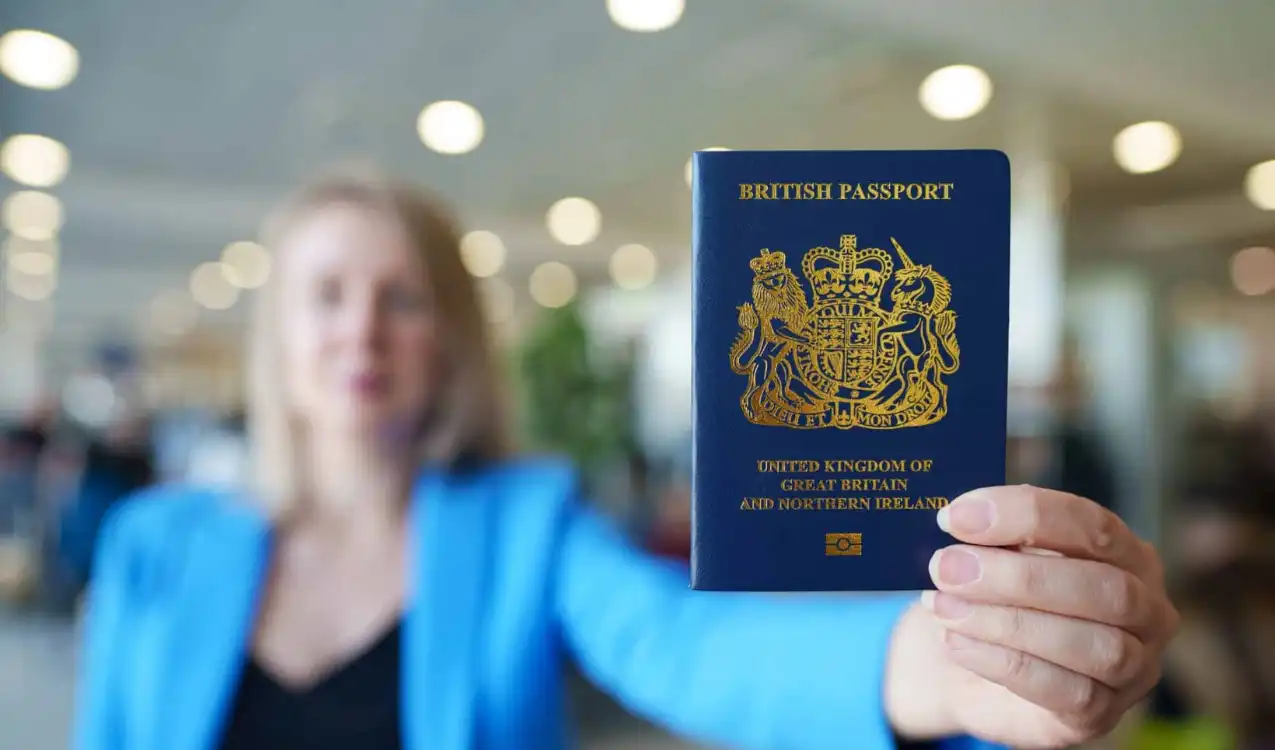
A valid, unexpired UK passport.
A valid UK driving licence (photocard).
An EEA national ID card (if applicable).
A valid biometric residence permit.
Here is the accepted proof of address (which must be dated within the last three months):
A recent household utility bill (gas, electric, or water).
A recent bank or building society statement.
A current council tax bill for the present year.
A formal tenancy agreement or mortgage statement.
Navigating auction legal requirements for companies and trusts
Buying property through a limited company or a trust introduces additional layers of complexity. Solicitors must look beyond the individual presenting the documents to understand the corporate structure.
Meeting these specific auction legal requirements means identifying the ultimate beneficial owners of the company. This ensures transparency and prevents individuals from hiding behind corporate veils.
If you are purchasing on behalf of a company, the law firm will need documentation regarding the business itself. They must also verify the directors and anyone holding a significant share in the company.
Corporate buyers should prepare the following documents:
The company’s official certificate of incorporation.
Personal ID and proof of address for all active directors.
Personal ID for any shareholders holding more than 25% of the shares.
The latest share register or confirmation statement.
Don't let missing paperwork delay your completion
In the fast-paced auction world, time is a luxury you simply do not have. Having your documents ready and your legal pack reviewed before you bid ensures you can meet strict legal deadlines. Get your legal pack reviewed early
The urgency of ID verification in property auctions
In standard property transactions, you might have weeks to slowly gather your paperwork. In the fast-paced auction world, time is a luxury you simply do not have.
Auction contracts usually dictate a fixed legal deadline for completion, which is often 14 or 28 days from the day of the auction. The clock starts ticking the moment the hammer drops and the contract is formed.
We cannot progress your case until your auction property ID checks are fully satisfied. We cannot legally handle your funds, submit essential legal forms, or formally engage with the seller’s solicitor.
If you delay in providing your documents, you risk missing the hard completion deadline. Missing this deadline means breaching the auction contract, which can result in losing your large deposit and facing additional financial penalties.
Understanding source of funds checks
Proving your identity is only the first half of the due diligence process. Solicitors must also verify exactly where the money for your property purchase is coming from.
This is known as a ‘source of funds’ check, and it is just as vital as providing your passport. Solicitors must ensure that the money being used to buy the property has been acquired legally.
If you are a cash buyer, expect to be asked detailed questions about how you accumulated your wealth. You will need to provide a clear paper trail showing how the funds were generated over time.
Typical evidence required for source of funds includes:
Several months of bank statements showing salary deposits and savings accumulation.
Evidence of a previous property sale, such as a completion statement from a solicitor.
A letter from the executor if the funds were inherited from a deceased estate.
Written confirmation and ID checks for anyone providing a gifted deposit.
How to prepare for your solicitor ID checks
Preparation is the absolute key to a stress-free auction purchase. You should ideally gather your identity documents and financial evidence before you even attend the auction house.
By having everything ready, you can instruct your legal team the very next morning. This proactive approach gives your solicitor the maximum amount of time to handle the complex legal transfer of the property.
To ensure you provide the correct proof of identity for auction buyers, check your documents carefully. Ensure your passport is in date and your utility bills show your current, correct name and address.
Follow these simple steps to speed up your legal process:
Locate your original passport or driving licence and check the expiry dates.
Download or request recent bank statements and utility bills right away.
Gather your source of funds evidence, especially if using savings or a gift.
Inform your solicitor immediately if you have recently changed your name or moved house.
Electronic verification systems
Modern law firms use advanced technology to speed up this process. Rather than asking you to post valuable original documents, many solicitors now use secure electronic verification systems.
These systems cross-reference your details against reliable electronic databases. They can instantly verify your identity by checking credit reference agencies, the electoral roll, and government records.
While electronic checks are highly effective, they do not replace the need for physical documents. They work alongside your provided proof to create a highly secure, reliable profile that satisfies all legal obligations.
How we make the process smooth and secure
At our firm, we understand that time is of the essence when buying at auction. We have streamlined our internal processes to ensure compliance without causing unnecessary delays to your transaction.
We utilise secure, state-of-the-art electronic verification alongside traditional document checks. This allows us to complete your auction property ID checks quickly, safely, and conveniently.
By working with us, you can rest assured that all stringent auction legal requirements are met promptly. We manage the compliance burden so that you can focus on your new property investment.
Please ensure you provide accurate documents promptly so we can progress your purchase without delay. If you are ready to start your next property journey, please contact our property auction solicitors to get in touch with our team today.
Clear your auction property ID checks fast
Once the gavel falls, you are legally bound to complete the transaction, usually within a strict 28-day window. Our specialist solicitors process your proof of identity quickly and securely, ensuring you meet all auction legal requirements and avoid costly delays.
